
When it comes to finding the ideal wax fabric and cloth to suit your creative endeavours, navigating the myriad of choices can feel somewhat overwhelming. Whether you are drawn to the bold geometric shapes or the delicate floral motifs that define these textiles, understanding how to locate prints by colour and style is essential. This guide serves as your comprehensive resource, offering insights into the origins, varieties, and practical applications of wax fabric, ensuring that your next project is nothing short of spectacular.
Homepage and Introduction to Wax Fabrics
What are wax fabrics and why they're brilliant
Wax fabrics are celebrated for their vivid and intricate designs, which are deeply rooted in African culture and tradition. These textiles are crafted from cotton and undergo a distinctive process that involves applying resin to both sides of the fabric, resulting in vibrant colours and striking patterns that remain resilient over time. The unique texture and visual appeal of wax fabric make it a favourite among designers and crafters alike, offering endless possibilities for creative expression. From clothing to home décor, the versatility of wax fabric is truly remarkable, allowing you to transform ordinary items into extraordinary statements of style and cultural heritage.
The Cultural Significance and Modern Appeal of Wax Cloth
In West Africa, wax fabric is far more than a simple textile; it is a cultural symbol that plays a vital role in ceremonies, weddings, and naming celebrations. The patterns and colours often carry deep meanings, reflecting the history, beliefs, and social narratives of the communities that wear them. In recent years, wax fabric has transcended its traditional roots and found a place in contemporary fashion trends, with designers incorporating these prints into dresses, jackets, skirts, and head wraps. The modern appeal of wax cloth lies in its ability to bridge the past and present, honouring tradition while embracing innovation. Trending colours such as fuchsia, emerald green, and mustard yellow have further propelled wax fabric into the global fashion spotlight, making it a must-have for anyone seeking to infuse their wardrobe with colour and character.
Understanding the Heritage and Craft of Wax Fabric
The Rich History and Origins of Wax Printing Techniques
The story of wax fabric begins in the nineteenth century with the pioneering work of Prévinaire, who developed a method of applying resin to cotton to achieve the distinctive crackle effect and vibrant hues that define authentic wax fabric. Founded in 1875 and later rebranded in 1927, Vlisco became synonymous with high-quality wax fabric production, setting the standard for craftsmanship and design. However, the narrative of wax fabric is not confined to European innovation alone. Following the wave of independence movements in the 1960s, local African manufacturers such as ABC Wax, Woodin, and GTP rose to prominence, responding to increased import duties and a growing demand for locally produced textiles. This shift not only bolstered regional economies but also ensured that the cultural significance of wax fabric remained firmly anchored in the communities that cherished it most.
The manufacturing process: from cotton to finished wax cloth
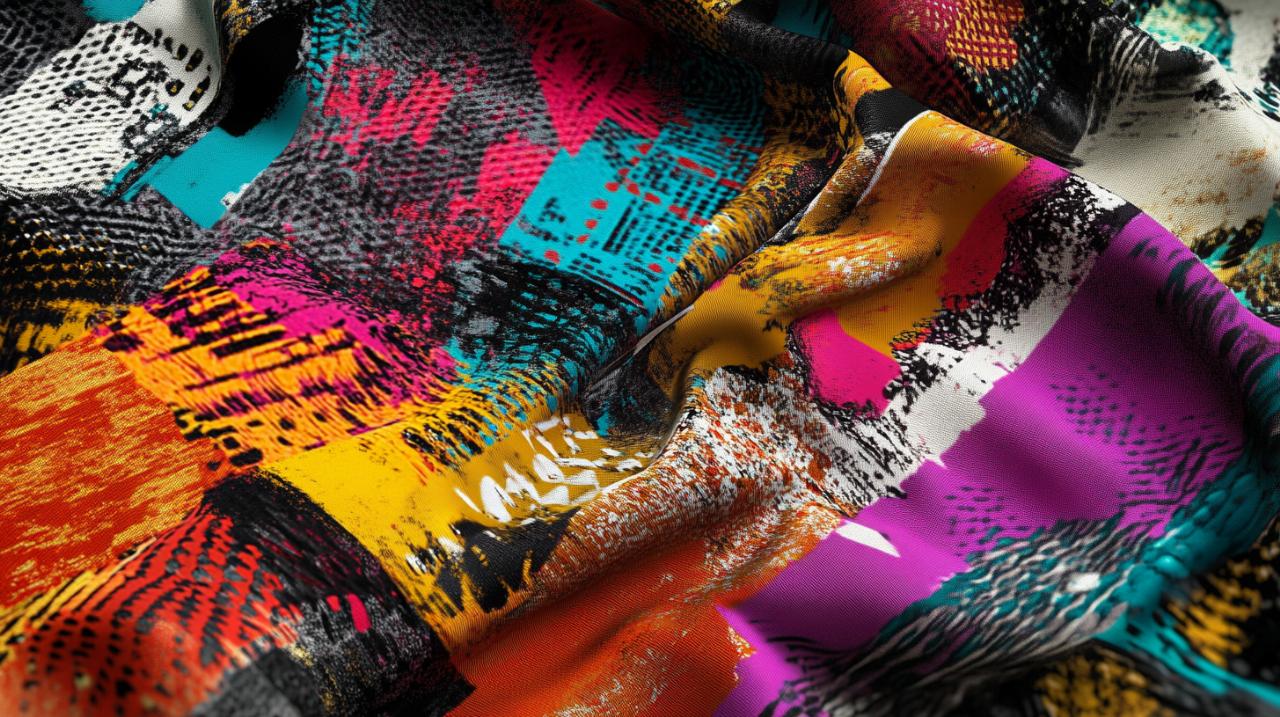
The creation of wax fabric is a meticulous process that blends traditional and modern techniques to produce textiles of exceptional quality. At the heart of the process is the application of resin to both sides of the cotton fabric, a method that dates back to Prévinaire's original innovation. This technique ensures that the colours penetrate deeply, resulting in patterns that are vibrant and enduring. In addition to this traditional approach, contemporary manufacturers have embraced digital and rotary screen printing, which enhance colour richness and allow for greater precision in design. The combination of these methods means that each piece of wax fabric is a unique work of art, featuring intricate patterns that range from bold geometric designs to delicate floral motifs. The finished cloth is not only visually stunning but also durable, making it suitable for a wide array of applications, from ceremonial attire to everyday fashion and home décor.
Exploring different varieties of wax fabric
Ankara, java print, and kitenge: distinctive characteristics
Within the world of wax fabric, several distinct varieties have emerged, each with its own unique characteristics and cultural associations. Ankara, for instance, is renowned for its bold and colourful patterns, often featuring geometric shapes and floral motifs that make a striking visual impact. Java Print, another popular variety, is celebrated for its intricate designs and rich colour palettes, which draw inspiration from Indonesian batik traditions while retaining the distinctive qualities of African wax fabric. Kitenge, meanwhile, is prized for its versatility and vibrant aesthetic, making it a favourite choice for both fashion and home décor projects. In addition to these well-known varieties, the market also offers Wax Hollandais, which is distinguished by its premium quality and one-sided print design, and African Fancy Prints, which are produced using digital printing techniques to achieve vibrant colours at a more affordable price point. Understanding the differences between these varieties is essential for selecting the right fabric for your project, ensuring that you achieve the desired look and feel.
Choosing the Right Type of Wax Fabric for Your Project
Selecting the perfect wax fabric requires careful consideration of several factors, including the intended use, quality, and authenticity of the material. For garments such as dresses, jackets, and skirts, a high-quality Ankara or Wax Hollandais fabric may be the ideal choice, offering both durability and visual appeal. If you are planning to create accessories such as scarves, bags, or head wraps, a lighter weight fabric like African Fancy Prints may be more suitable, providing the flexibility and vibrant colours needed to make a statement. For home décor projects, including cushions, curtains, and throws, consider fabrics that balance aesthetic appeal with practical considerations such as ease of care and longevity. It is also important to purchase from reputable suppliers, whether you are shopping online or visiting local fabric shops in the UK. Look for fabrics that feature authentic patterns and colours with cultural significance, and pay close attention to quality markers such as the depth of colour penetration and the integrity of the print. By taking the time to choose the right type of wax fabric, you can ensure that your project not only looks stunning but also stands the test of time.